Why Is One Room Colder Than The Others in My Home?
Date Published: April 20, 2026
Almost every home has that one room.
The bedroom that feels fine at noon but chilly by 9 p.m. The bonus room nobody volunteers to use in January. The office where wearing socks feels like a requirement, not a choice.
For Colorado buyers, this is common, especially in places like Denver and Boulder, where sunny afternoons can turn into freezing nights fast. When one room stays colder than the rest, the house is usually pointing to something: airflow, insulation, layout, or exposure.
The good news? Uneven temperatures are usually explainable. The better news? Many causes are manageable once you know what you’re dealing with.
How Heating Balance Actually Works
A well-balanced heating system delivers warm air evenly and just as importantly, pulls it back to be reheated.
Warm air travels through supply ducts into each room. Return vents bring it back to the furnace. When that loop works properly, temperatures stay consistent.
When it doesn’t, one room starts falling behind.
In Colorado, heating balance matters more because cold nights don’t ease in gradually. They drop. Fast. And when distribution isn’t quite right, that one room becomes very noticeable.
Sometimes, It’s Just Location
Where the room sits in the house often explains a lot.
Rooms over garages are frequent offenders. Garages are unheated, and cold air rises into the space above. North-facing rooms receive less direct sunlight in winter. Basement or garden-level rooms sit below grade and naturally stay cooler.
These aren’t “problem rooms.” They’re just more exposed. Once you understand the location, the temperature difference starts to make sense.
Insulation Gaps Make a Big Difference

Even, well-distributed insulation helps maintain consistent temperatures throughout the home and reduces the likelihood of one room feeling colder than the rest.
Insulation is the quiet workhorse of comfort.
If insulation is thin, missing, compressed, or poorly installed, heat escapes faster than it should. That loss often shows up in just one or two rooms first.
Older homes may have settled insulation. Newer homes can still have gaps, especially around bonus rooms, attic conversions, or complex rooflines.
In Denver and Boulder, overnight temperature swings amplify even small weaknesses. A room with marginal insulation cools down quickly, which explains why it feels cold even though the furnace is running.
Airflow and Duct Design Matter More Than You Think

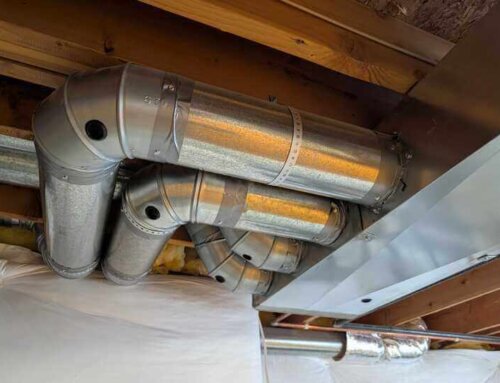
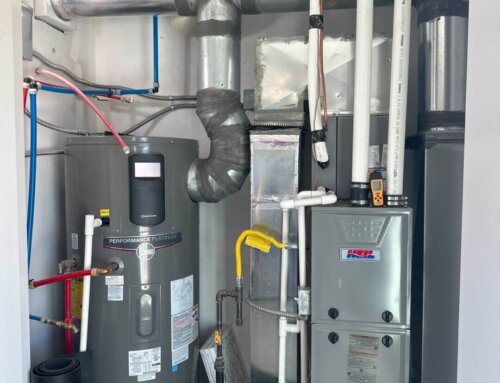
The blower motor pushes warm air through the duct system. If airflow is restricted or poorly balanced, some rooms may receive less heat, even when the furnace itself is working properly.
A furnace can be working perfectly and still not deliver heat evenly.
Long duct runs, tight turns, undersized ducts, or poor balancing can restrict airflow. Warm air simply doesn’t arrive in the same volume as it does in closer rooms.
Even smaller things matter:
- Closed supply vents
- Blocked return vents
- Furniture covering registers
- Dust buildup inside vents
Homes are designed with airflow assumptions. Over time or after renovations those assumptions don’t always hold. That’s often where the “cold room mystery” begins.
Windows and Doors Play a Quiet Role
Drafts don’t have to be dramatic to matter.
Small gaps around windows or worn weatherstripping around doors allow steady heat loss. During Colorado winter nights, even subtle air leakage adds up.
Older windows are especially prone to this. The room closest to those leaks usually feels the difference first.
Because these gaps aren’t always obvious, buyers sometimes overlook them but comfort doesn’t.
What Homeowners Can Actually Do
Cold rooms usually have more than one contributing factor, which is why solutions vary.
Common fixes include:
- Adjusting vents and registers to improve airflow
- Sealing gaps around windows and doors
- Adding or upgrading insulation in attics or above garages</span>
- e=”font-weight: 400;” aria-level=”1″>Professionally balancing ductwork
- Adding supplemental heating in rooms with persistent exposure
Some fixes are simple. Others require a bigger upgrade. The right solution depends on how the home was built and how it performs during winter.
How Inspections Help Make Sense of It
Buyers often notice cold rooms during a showing or during their first week in the house.
A home inspection helps explain why.
Inspectors evaluate insulation levels, airflow indicators, duct visibility, and room placement. They can’t promise perfect balance, but they can provide context.
Is the issue typical for the layout? Is it correctable? Is it part of the home’s design?
That clarity makes a big difference.
The Bottom Line
That one cold room isn’t unusual, especially in Colorado.
More often than not, it’s a combination of exposure, insulation, and airflow. Once buyers understand what’s happening, the room feels less like a mystery and more like a manageable piece of homeownership.
And in Colorado winters, understanding goes a long way toward staying comfortable.

Related Articles
If you enjoyed this article, you may be interested in some of our others.